PAYZ Global Services Limited is an established freight forwarding and logistics enterprise headquartered in Lagos, Nigeria. We engineer dependable freight solutions that move raw materials, commercial inventory, and specialized capital equipment between global manufacturing hubs and African markets.
International trade demands zero tolerance for ambiguity. In a global logistics landscape characterized by fluctuating shipping line allocations, shifting customs regulations, and congested port corridors, PAYZ provides the operational certainty businesses need to grow.
Headquartered at 25, Oluwasogo Street, Ikeja, Lagos, our operations span Nigeria’s primary maritime and air cargo gateways — including the deep-draft Lekki Deep Sea Port, Apapa Container Terminal, Tin Can Island Port, and the Murtala Muhammed International Airport cargo complex.
"We do not treat logistics as a commoditized booking exercise. We treat it as an engineered supply chain discipline where paperwork accuracy, route optimization, and proactive terminal liaison prevent costly cargo delays."
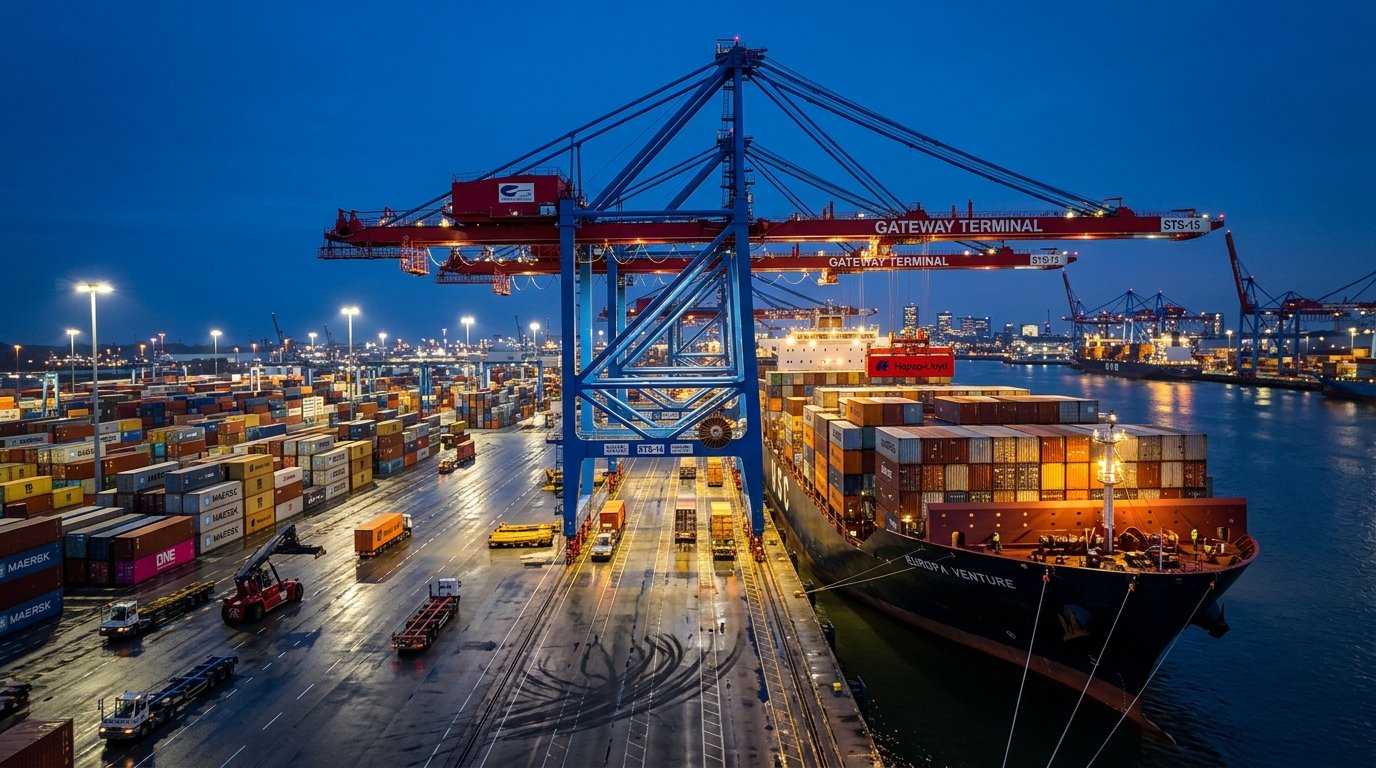
How PAYZ maintains institutional consistency across air, sea, customs, and heavy transport assignments.
Complete compliance with Nigeria Customs Service frameworks, Form M verification, PAAR document clearance, NAFDAC registrations, SONCAP certifications, and clean bill of entry reconciliation.
Contracted space allocations on premier global ocean container lines (Maersk, MSC, CMA CGM, Hapag-Lloyd, COSCO) and leading widebody air cargo carriers (Cargolux, Emirates SkyCargo, Qatar Airways Cargo).
Transparent, itemized tariff breakdowns with pre-shipment landed cost models. We eliminate post-shipment hidden surcharges and optimize cargo routing to prevent storage demurrage.
Every client account is assigned a designated senior logistics manager who oversees the entire lifecycle of the cargo, providing verified milestone reports and proactive exceptions management.
Connect with our senior logistics desk in Ikeja, Lagos to explore freight options, customs clearance timetables, and competitive tariff frameworks.